
Why Your Hardware Prototype Needs Professional Board Bring-Up
 Wrirten by
Manaam Rehan
Wrirten by
Manaam Rehan
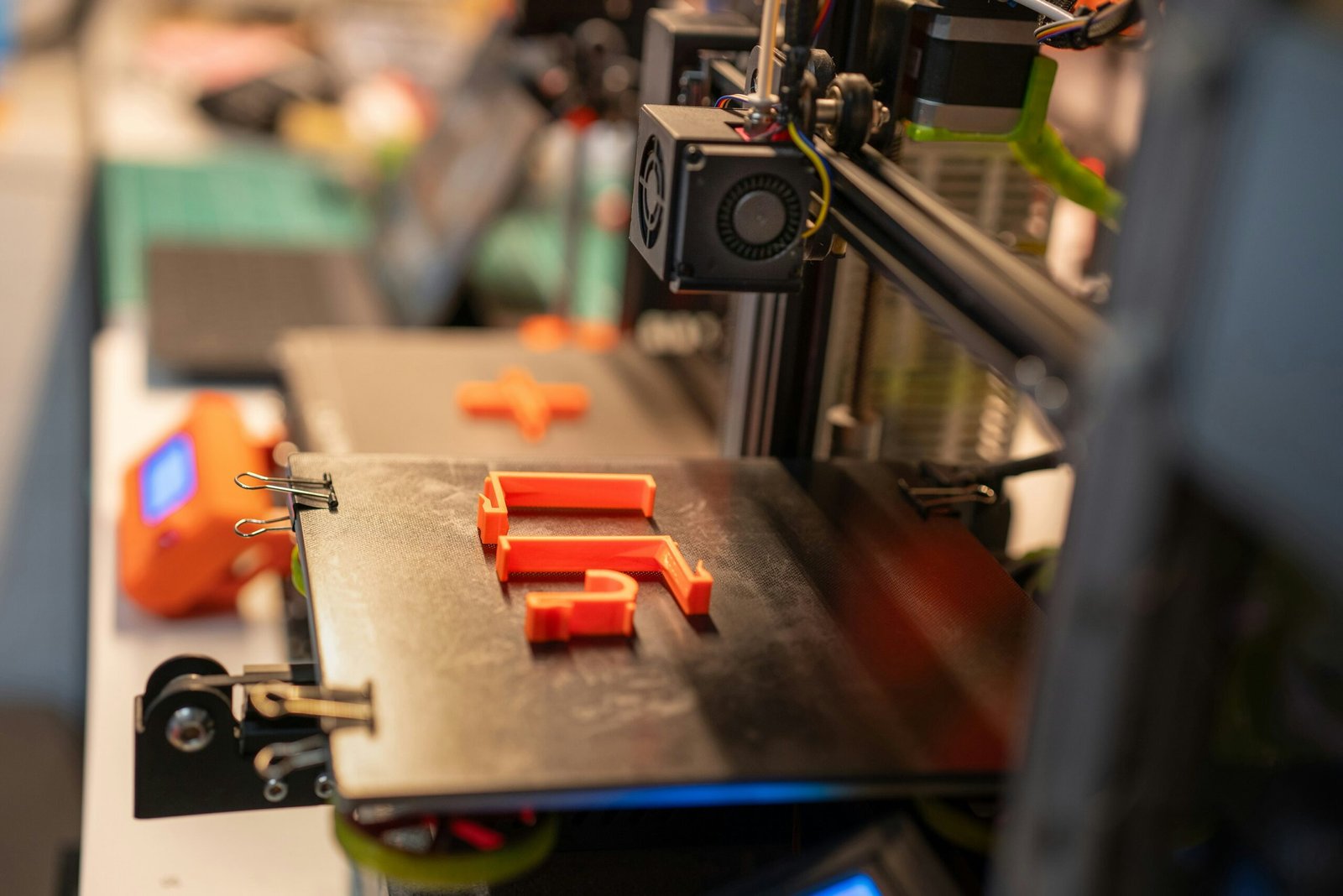
Bringing a new electronic product to market is a major milestone, but a freshly manufactured circuit board is completely inert until it undergoes its first power-on test. Skipping or rushing this critical phase can cause unexpected short circuits that permanently ruin expensive components. Partnering with a premier hardware design company guarantees that your initial physical units are validated systematically, shielding your project from catastrophic technical setbacks. Professional board bring-up bridges the gap between your digital schematic and a fully operational physical device. Here is exactly what to expect from this highly technical hardware milestone.
Plugging a new circuit board directly into a standard wall outlet or unmetered power source can be a costly mistake. Engineers use specialized hardware prototyping solutions to gradually apply voltage to individual power rails using current-limited bench power supplies. This step-by-step approach ensures that if a hidden manufacturing defect or short circuit exists, the supply trips safely before the excessive current can destroy sensitive microchip processors.
Every production batch runs the risk of assembly line defects like minor solder bridges, misaligned components, or incomplete copper connections. Leveraging comprehensive hardware design services means your boards undergo thorough microscopic inspections and automated optical reviews before power is applied. This strict quality control step validates that the factory assembly matches your core design specifications precisely.
For heavy-duty machinery or ruggedized power modules, voltage regulation must be handled with extreme care. Developing industrial hardware design layouts requires isolating sensitive microcontrollers away from high-power, high-current lines. During bring-up, engineers verify these isolation zones manually, ensuring that transient voltage surges cannot cross over and brick your system’s low-voltage computing components.
Microprocessors and wireless modems require incredibly precise, stable clock oscillations to execute commands synchronously. Teams utilize high-bandwidth oscilloscopes through specialized hardware debugging services: common problems we solve workflows to audit these clock signals. Measuring waveform shapes ensures the timing crystals oscillate cleanly without signal distortion or jitter.
Modern circuit architectures utilize fast communication buses to move data between the central processor and external memory chips. Professional circuit board design practices require validating that these differential trace lines maintain a stable impedance profile. Ensuring proper signal balancing across high-speed lines prevents data packet loss, keeping your system completely stable under maximum processing loads.
Industrial equipment often operates inside high-interference environments where heavy electric motors generate massive magnetic fields. When bringing up a custom circuit board design for industrial applications, engineers test the board’s internal noise-filtering circuits. They check decoupling capacitors and shielding loops to confirm that ambient electromagnetic noise cannot corrupt the internal data lines.
Every sensor, memory module, and transceiver chip on your board communicates using specific low-level digital protocols like I2C, SPI, or UART. Engineers write lightweight test scripts to confirm that the main processor can read and write to the individual internal registers of these peripheral chips. This low-level validation forms the bedrock of a stable embedded hardware design, ensuring your software drivers operate smoothly.
For connected smart devices, verifying the radio frequency (RF) paths is one of the most complex aspects of the bring-up lifecycle. Utilizing iot hardware design services allows engineers to measure antenna transmission power and receiver sensitivity inside isolated RF testing chambers. This step guarantees that your onboard Wi-Fi, Bluetooth, or cellular modules communicate efficiently without dropping connection packets.
Connected products frequently rely on compact internal patch antennas that are highly sensitive to nearby battery enclosures or plastic housings. Professional pcb design services for iot devices involve tuning these antenna networks using vector network analyzers during the bring-up phase. Properly matching the antenna’s impedance maximizes your product’s wireless range while conserving precious battery life.
Software developers cannot write code efficiently if the underlying hardware platform is unstable or prone to sudden power drops. Utilizing a professional hardware design approach means delivering a fully documented, tested hardware reference kit to your software team. This clean handoff ensures that any software bugs encountered during coding are true software issues, rather than hidden hardware defects.
To accelerate your product’s development timeline, engineering teams frequently build multiple bring-up units simultaneously. Taking advantage of cost-effective hardware prototyping services online allows companies to assemble pilot batches affordably. Distributing multiple validated prototype units across your software, mechanical, and QA teams helps parallelize workflows and speeds up your total time-to-market.
A comprehensive bring-up process always concludes with updating the primary layout documentation. If any physical trace modifications or component swaps were required to achieve stability during testing, engineers log these adjustments directly into the CAD layout tool. This documentation cycle ensures your custom hardware design files are updated, preparing your project for a smooth, high-volume production run.

Q: What is the primary objective of a professional board bring-up phase?
A: The primary objective is to safely apply power to a newly manufactured board for the first time, verify that all voltage rails and data communication buses work properly, and ensure the physical system is stable enough for full-scale firmware development.
Q: Why should early-stage companies invest in affordable custom hardware design for startups services?
A: Startups need to prove their concepts quickly without draining capital. Specialized startup layout services focus on using pre-tested hardware blocks and optimized layouts, minimizing bring-up errors and avoiding expensive re-manufacturing delays.
Q: How do iot hardware design and development for smart devices workflows protect products from manufacturing defects?
A: These workflows mandate automated optical inspections (AOI) at the factory, followed by precise, step-by-step laboratory bring-up testing that catches component placement errors before they can cause a major electrical short.
A professional board bring-up is a mandatory insurance policy for any custom physical product. By methodically isolating power grids, auditing high-speed signal pathways, and verifying peripheral communication protocols, experienced engineers protect your hardware investment from costly electrical damage. Investing in a systematic bring-up workflow creates a rock-solid foundation for your software team, preventing costly troubleshooting cycles down the line. If you are preparing to manufacture your next physical prototype, contact our engineering team today to secure expert pcb design services and specialized board bring-up support for your upcoming launch.