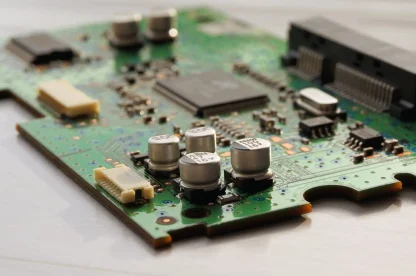









Embedded Firmware & Hardware Engineering for Connected Products

VelocityCreate helps hardware teams build, debug, and stabilize embedded firmware, BLE/wireless systems, low-power IoT devices, and PCB-level product issues. We support products from prototype bring-up to reliable field-ready engineering.

Embedded Firmware, Hardware & Product Engineering

1
+
Years of Experiences
1
+
Projects Delivered
1
+
Clients

Platforms and ecosystems we work with

Services

Embedded engineering services for hardware teams

From firmware development to board bring-up, wireless integration, and low-power debugging, we help connected products move closer to production.

Web Dashboards & Product Interfaces

Simple dashboards, admin panels, and product-facing interfaces for connected hardware systems. Best used as support around embedded or IoT products, not as the main offer.

Embedded Product Support

Support for early product architecture, MCU selection, sensor integration, firmware planning, prototype validation, and design-to-production engineering decisions.

Firmware Engineering

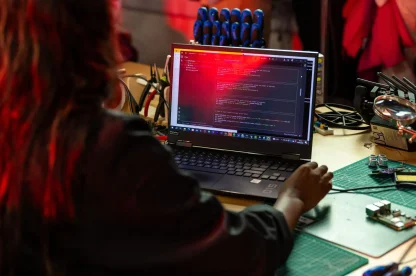
Firmware development for MCU-based products using C, Zephyr, FreeRTOS, ESP-IDF, Nordic, STM32, Silicon Labs, sensors, drivers, communication interfaces, and production-focused recovery logic.

Hardware Bring-Up & Debugging

Board bring-up, peripheral validation, PCB review, power issues, sensor debugging, communication faults, and firmware/hardware integration.
Low-Power IoT Engineering

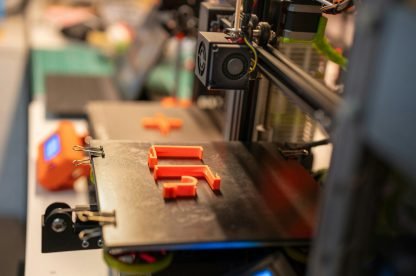
Battery-powered and energy-sensitive product support, including current measurement, sleep modes, wake-up behavior, radio timing, power profiling, and firmware optimization.
Testimonial

Client feedback

Feedback from embedded and product engineering clients
4.9/5
Client feedback from embedded and product engineering work
“Excellent Working with them. ”
Giovanni Bansie
“They are professional, efficient, and smart approach to Firmware C development comes highly recommended”
Eldad Wasserman
“They have consistently delivered and exceeded expectations. They have worked well under tight deadlines and with minimal oversight.”
Dr. Jeffery Andle
“They put in long hours to get us to where we needed to be quickly. They are experienced and works efficiently.”
Daryl James
“They put in long hours to get us to where we needed to be quickly. They are experienced and works efficiently.”
Daryl James
“They are professional, efficient, and smart approach to Firmware C development comes highly recommended”
Eldad Wasserman
“They have consistently delivered and exceeded expectations. They have worked well under tight deadlines and with minimal oversight.”
Dr. Jeffery Andle
“It was great to work with them! Would highly recommend!”
Jonathan Smith
FAQs

Questions hardware teams usually ask before working with us

01
What types of companies do you work with?
We work best with hardware startups, IoT companies, sensor products, industrial devices, BLE/wireless products, and teams building connected embedded systems.
02
Can you handle both firmware and hardware design for the same project?
Yes. Firmware is our core focus, but we also support hardware design, PCB review, board bring-up, sensor integration, and debugging across firmware/hardware boundaries.
03
What is the typical project timeline?
Small debugging or bring-up tasks can take a few days to a few weeks. Full firmware or hardware development depends on product complexity, existing code, board status, testing needs, and production requirements.
04
Can you work with an existing firmware codebase or PCB?
Yes. We can join an existing project, review the firmware or schematic, reproduce the issue, debug the system, and suggest practical fixes without restarting everything from scratch.
05
Do you provide post-project support?
Yes. We can support bug fixes, firmware updates, production issues, field failures, documentation, and handover to your internal engineering team.
06
What technologies do you use for firmware development?
We work with C-based embedded firmware, Zephyr RTOS, FreeRTOS, ESP-IDF, Nordic nRF Connect SDK, STM32, Silicon Labs EFR32, BLE, sensors, UART, SPI, I2C, ADCs, timers, bootloaders, and low-power firmware flows.