
IoT Product Development Company vs Freelancers: Which Is Better?
 Wrirten by
Manaam Rehan
Wrirten by
Manaam Rehan
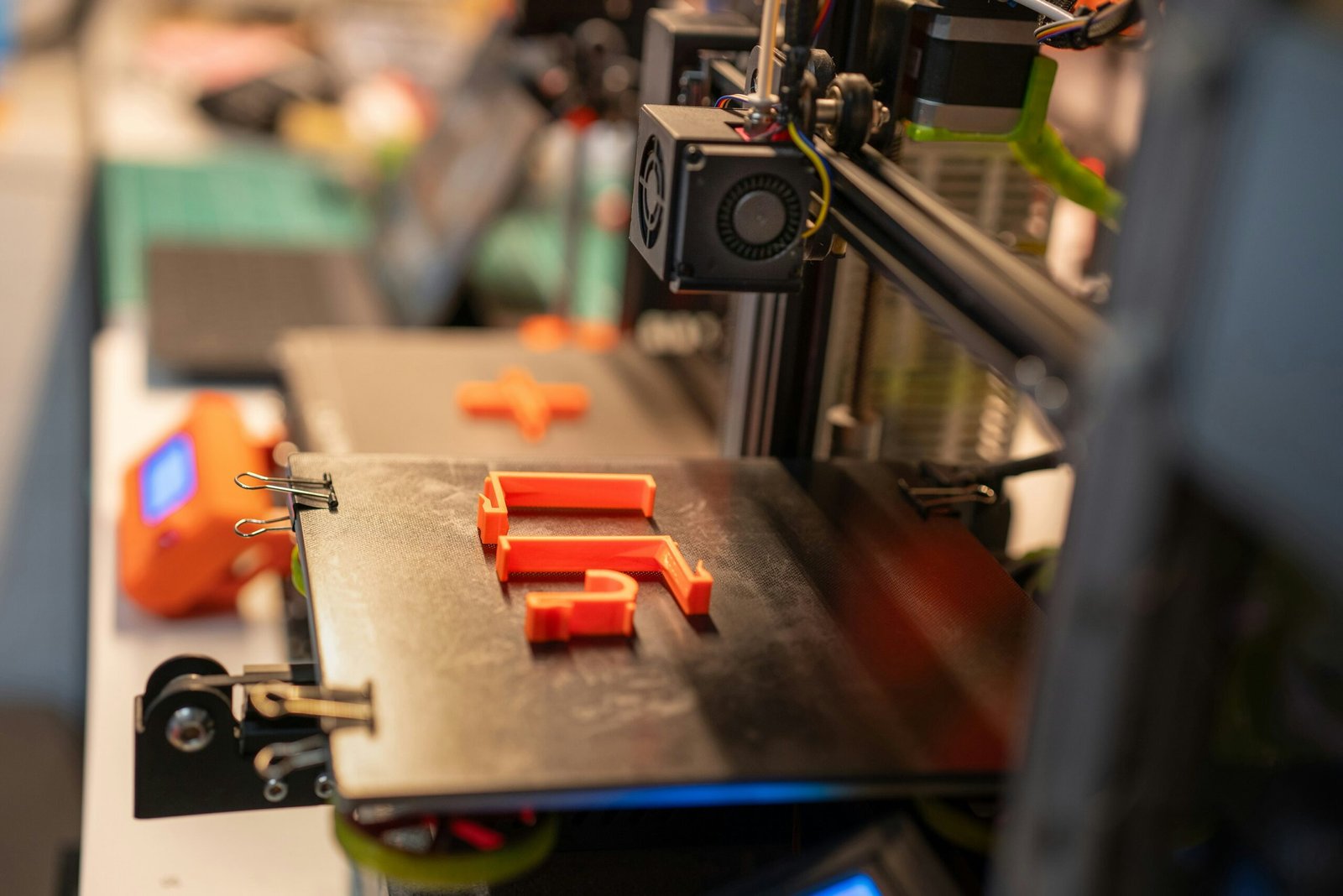
Launching a connected product requires a simultaneous blend of electrical engineering, industrial housing design, firmware development, and cloud computing. For startups and enterprise teams alike, deciding who will build this complex ecosystem is a massive organizational milestone. While hiring individual freelancers can seem highly attractive from a pure hourly billing perspective, managing a fragmented network of disconnected contractors often leads to severe design bottlenecks. Partnering with a dedicated product design company provides a completely unified team that eliminates communication silos, reduces layout errors, and accelerates your timeline. Here is a direct analysis comparing individual freelancers against a unified team for your upcoming project.
When working with an individual freelancer, your physical case designer and your circuit layout engineer are completely isolated from one another. A dedicated product design consultancy solves this problem by embedding mechanical and electrical engineers within the same physical or digital workspace. This internal synergy guarantees that your industrial product design precisely accommodates the component heights, battery clearance constraints, and screw bosses of your PCB, avoiding costly housing modifications later.
Firmware engineers need to work hand-in-hand with the hardware architects who selected the primary microchips. If an independent freelancer misinterprets a pinout diagram or register map, your low-level software will fail to initialize correctly. Choosing an agency with specialized internal firmware development services ensures that code architects can test early code directly on layout hardware with the original board designers, resolving board bring-up issues within days rather than weeks.
Building a connected product requires deep cross-functional expertise across diverse software, mechanical, and wireless domains. Freelancers typically specialize in only one narrow vertical, forcing your business to act as an unproven technical director. A full-service engineering studio provides comprehensive, end-to-end product development solutions, ensuring your industrial look-and-feel, circuit pathways, embedded firmware layers, and factory testing jigs are developed under a single cohesive framework.
When a freelancer faces an unexpected technical hurdle or encounters a component shortage, your entire project line can grind to a halt. Managing multiple individual contractors creates massive communication overhead, where you spend more time chasing status updates and passing data packages back and forth than actually building the product. This structural delay loop gives agile competitors an easy window to beat your product to the commercial market.
A professional firm utilizes dedicated technical project managers who do nothing but track engineering milestones, run peer design reviews, and handle supply chain logistics. Leveraging professional product design services allows your core team to remain focused on marketing, fundraising, and customer discovery while engineering experts drive the daily development cycles. This rigorous execution path drastically minimizes your total time-to-market.
Startups need access to engineering processes that have been proven across multiple product life cycles. A seasoned agency brings years of institutional knowledge, utilizing pre-tested design blocks for wireless connectivity and power management. Sourcing these innovative product design frameworks eliminates the speculative guesswork common with unvetted freelancers, ensuring your product is built using predictable, highly efficient design patterns from the start.
Most freelance developers operate from a home office or co-working space that lacks high-performance laboratory equipment. They cannot accurately perform complex signal integrity reviews, trace rapid transient voltage drops, or test thermal dissipation limits. Choosing a professional product design studio grants your project immediate access to commercial oscilloscopes, logic analyzers, and dedicated RF isolation spaces needed to validate custom hardware reliably.
Building physical works-like prototypes involves high-precision machinery, including 3D printers, CNC mills, and pick-and-place assembly stations. A complete engineering group integrates custom product design methodologies directly with an internal prototyping lab. This rapid iteration capacity allows the team to build, inspect, and modify multiple physical prototypes in a single week, a speed that a fragmented network of independent freelancers simply cannot match.
Before your product can be legally sold, it must pass rigorous global regulatory benchmarks including FCC, CE, and UL certifications. Dedicated engineering organizations design with these strict compliance targets in mind from day one. They implement proper ground planes, EMI shielding, and transient suppression natively into the layout, ensuring your modern product design clears high-voltage and radio emission tests on the very first laboratory attempt.
Freelancers often focus entirely on making a single prototype work on a test bench, completely ignoring real-world factory assembly tolerances. A top-tier product design firm applies strict Design for Manufacturing (DFM) rules during the layout phase. They carefully evaluate component spacing, pick-and-place machine camera alignment marks, and automated optical testing limits, protecting your production line from high factory scrap rates and component misalignment errors.
A major component of commercial product development involves auditing and optimizing your physical component costs. Experienced agency teams connect your project to trusted global suppliers through comprehensive product design services. They proactively scrub your Bill of Materials to replace long-lead or single-source parts with active components, protecting your inventory pipeline from sudden post-launch shortages.
As your business grows from pilot manufacturing runs into full-scale retail distribution, your hardware must remain highly stable and competitive. Partnering with the best product design company for your market vertical provides your company with a scalable engineering ally. They establish automated factory test fixtures, document your intellectual property cleanly, and support your architecture across years of real-world deployment and subsequent product variations.

Q: Why are freelance hourly rates significantly lower than a dedicated product design consultancy fee?
A: Freelancers do not maintain specialized testing labs, carry professional liability insurance, employ independent quality control reviewers, or offer institutional supply chain relationships. The lower price reflects the fact that you must bear the operational risk and project management burden yourself.
Q: How can early-stage ventures secure affordable custom product design services without cutting corners?
A: Ventures can optimize their initial budget by partnering with an agency that focuses tightly on an MVP scope, utilizes modular open-source development blocks, and runs early digital simulation loops to minimize the number of physical factory prototype cycles needed.
Q: What is the biggest hidden risk when using multiple unlinked freelancers for innovative product design for startups?
A: The biggest risk is a total lack of technical accountability. If the final prototype fails to power on, the firmware developer will blame the circuit designer, the circuit designer will blame the housing designer, and the startup is left holding an unlaunchable product with no clear path forward.
While hiring freelancers can appear to save upfront capital, the lack of interdisciplinary alignment, limited testing tools, and fragmented project management frequently trigger massive development delays and expensive hardware re-spins. Partnering with a unified studio that integrates industrial styling, electrical layouts, and embedded software ensures your physical hardware moves efficiently from a concept sketch into a high-volume assembly plant. Do not leave your connected product’s structural stability and market launch to chance. If you are ready to build a reliable, high-performing device backed by rigorous engineering verification, contact our comprehensive team today to receive a detailed technical roadmap for your upcoming product launch.