
Embedded Firmware Development Cost: What Businesses Should Expect
 Wrirten by
Manaam Rehan
Wrirten by
Manaam Rehan
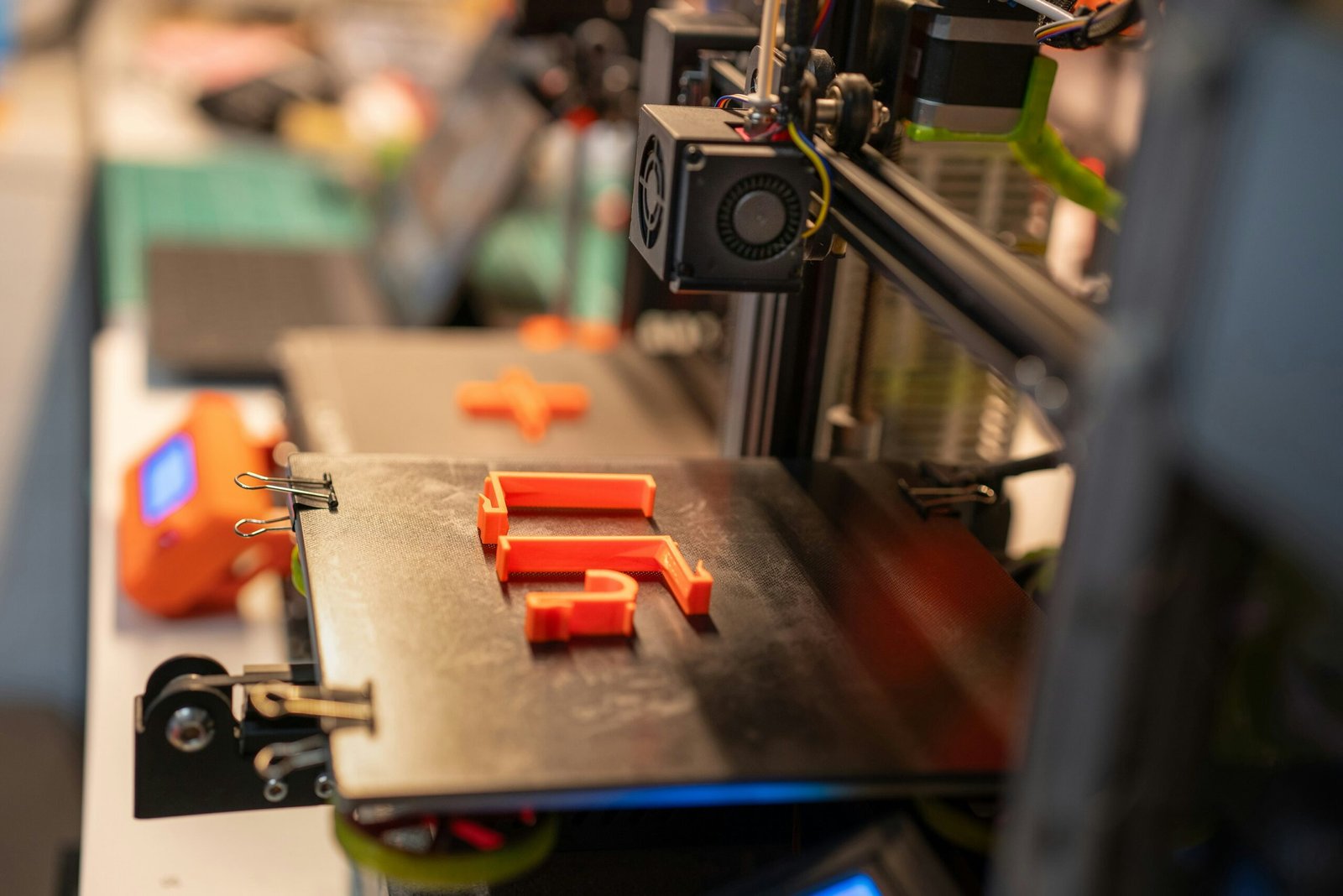
When launching a smart device, calculating component costs is only half the battle. The digital engine driving your hardware its low level code often demands the largest slice of your initial engineering budget. Understanding how an embedded software company structures its fees is essential to prevent sudden budget overruns that stall production. To help you budget accurately, here is a transparent cost analysis from the best embedded software developers covering system architectural scale, wireless data protocols, safety compliance overhead, and automated test environments.
A basic device reading a single sensor can run on a bare-metal loop with minimal setup costs. However, building custom embedded systems that run multi-layered operating systems requires extensive driver configuration and custom kernel patches, which increases development hours. Investing in professional embedded software development services ensures that your system layers are mapped correctly, minimizing runtime bottlenecks before you commit to high volume manufacturing lines.
Every physical chip on your board whether an accelerometer or an external memory flash chip requires dedicated code to speak to the central processor. If your layout features new components that lack open-source libraries, your engineering team must write custom drivers from scratch. This level of real-time software development requires deep silicon register analysis and hours of oscilloscope testing, expanding the necessary development timeline.
When physical layouts push for smaller footprints to save money on electronic components, software developers pay the price in manual optimization hours. Writing highly efficient code for a tiny chip requires manual memory mapping and custom linker scripts. Utilizing targeted, affordable embedded software services for startups helps balance these early chip choices so you do not spend triple your budget on software optimization down the line.
Connecting a device to local infrastructure requires implementing network stacks, managing Wi-Fi handshakes, or configuring cellular protocols. Your overall IoT software development costs scale based on how robust the link must be. Engineers must account for poor signal environments, write local data caching routines when networks drop, and build retry logic that prevents the device from killing its battery while seeking a tower.
The code on your device must securely push telemetry payloads to cloud platforms like AWS or Azure without wasting bandwidth. Setting up these communication pathways requires developing optimized data structures. Partnering with a studio that delivers professional embedded software solutions ensures that your device communication protocols are optimized, protecting your company from massive cloud data billing surprises once you scale up.
For devices that cannot stay plugged into a wall outlet, power optimization software is a massive budget line item. Engineers spend weeks profiling power rails, putting the radio to sleep, and utilizing low-power sensor features. Achieving the best IoT software development for smart devices requires budgeting for these advanced power states, ensuring your hardware survives for months on a single battery charge.
Consumer electronics require basic electromagnetic compliance, but smart devices interacting with modern home automation ecosystems require intense verification. Achieving embedded system design for consumer electronics compliance means budgeting for external software audits and secure authentication setups. These strict third-party verification steps add a predictable but substantial fixed fee to your development invoice.
Vehicles operate under extreme real-time safety constraints where an unexpected firmware crash could cause severe accidents. Developing custom embedded systems for automotive industries requires strict adherence to international safety guidelines like ISO 26262. The deep documentation, structural hazard analysis, and redundant code pathways required for functional safety compliance can double or triple standard commercial development costs.
If your device operates inside a hospital ecosystem, your codebase must meet strict international regulatory standards. Developing embedded software for industrial automation or medical gear requires an unbroken chain of documentation, from software requirements down to individual unit tests. Sourcing top embedded software developers for medical devices ensures your code passes clinical validation, but it positions your engineering costs in premium tiers.
To guarantee your product works reliably across thousands of production units, engineers build physical testing rigs that mimic real-world usage. Building these advanced embedded software development for robotics and automated testing setups means creating physical loop arrays that cycle through thousands of continuous operations. While building custom test fixtures increases initial bills, it saves tens of thousands in post-launch field diagnostics.
Building an OTA update system requires writing fallback bootloaders that prevent a device from bricking during a failed wireless transmission. Designing this secure ecosystem requires dedicated development hours for cryptographic signature verification. This is a critical investment that allows you to deploy professional firmware development for hardware devices updates seamlessly, patching security vulnerabilities without a physical product recall.
Code naturally ages as cloud APIs update and chip suppliers modify their base libraries. Budgeting for ongoing real-time software solutions for industrial automation support means keeping an engineering team on a technical retainer for security maintenance. Factoring in cost-effective IoT solutions for small businesses support ensures your hardware fleet remains stable, operational, and highly competitive throughout its multi-year market lifecycle.

Q: What is the average cost range for professional firmware development services?
A: Depending on complexity, a custom engineering project can range from $15,000 for a basic non-connected prototype up to $150,000+ for a highly secure, regulated medical, automotive, or industrial multi-processor system.
Q: Can we lower our engineering bills by using pre-existing embedded system design platforms?
A: Yes, by utilizing established open-source platforms like Zephyr RTOS or FreeRTOS, engineers can minimize the amount of low-level driver code written from scratch, keeping development budgets controlled.
Q: Why are high-level industrial firmware solutions more expensive than standard web or mobile applications?
A: Industrial systems operate on tight bare-metal footprints where code must execute deterministically within microseconds. Developing this level of reliability requires expensive hardware labs, diagnostic oscilloscopes, and highly experienced senior system architects.
Budgeting for firmware development requires looking past the initial prototype phase and actively planning for regulatory audits, wireless data optimization, and long-term security patching. By partnering with an experienced team that provides comprehensive embedded software development services, you eliminate the hidden development traps that lead to sudden cost inflation. Investing in clean, well-documented code protects your company from expensive physical circuit redesigns later down the road. If you are currently budgeting for an upcoming connected product launch, contact our engineering team today to receive a transparent, itemized development estimate tailored specifically to your hardware requirements.