
How to Optimize Real-Time Software Solutions for Industrial Automation
 Wrirten by
Manaam Rehan
Wrirten by
Manaam Rehan
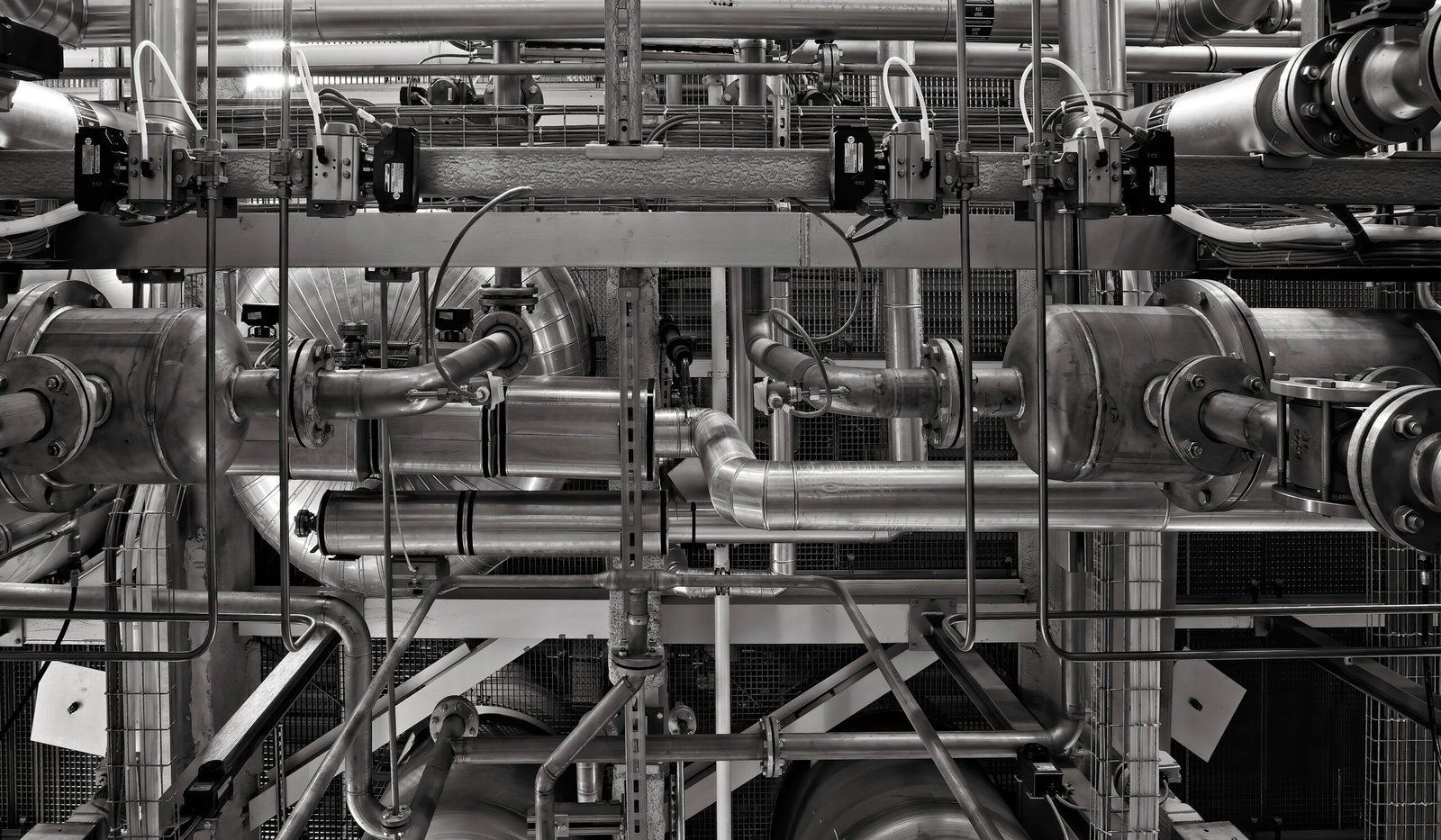
In industrial automation, latency can lead to catastrophic hardware failure or safety risks. Real time software development is the backbone of modern manufacturing, ensuring that robotic arms and high speed sensors react within strict millisecond constraints. To achieve this, software must be optimized for embedded software for industrial automation. This blog explores technical strategies to optimize real-time software solutions for industrial automation, focusing on embedded system design and resource management. By leveraging the expertise of the best embedded software developers, you can ensure your factory lines operate with maximum uptime.
In a real time environment, timing is just as important as correctness. For industrial automation, you must use a Real Time Operating System (RTOS) that guarantees “determinism.” Real time software development on an RTOS ensures that high priority tasks, like safety interrupts, are never blocked by background processes.
Not all RTOS configurations are created equal. When hiring an embedded software company, ensure they have the expertise to tune the kernel’s scheduler for your hardware. This involves setting the correct tick rate and task priorities to ensure that your embedded software for industrial automation never misses a deadline.
In sectors like healthcare, timing is a matter of compliance. The top embedded software developers for medical devices often use these same deterministic principles to meet strict safety standards. These professional embedded software solutions are built to be verified, ensuring they perform exactly as programmed.
Jitter the variation in the time it takes for a task to start is the enemy of synchronized automation. To optimize real time software solutions, engineers must minimize the time between a hardware interrupt and the software response. This requires deep knowledge of the specific microcontroller’s interrupt controller.
Every line of code in an interrupt routine adds to the system’s total latency. This involves writing highly optimized C code, a skill found in the best embedded software developers. By keeping interrupt routines short, you maintain the “snappiness” required for high speed industrial automation control.
High-precision motion control requires perfect timing across multiple axes. If you are looking for advanced embedded software development for robotics, jitter reduction is non negotiable. Professional firmware development for hardware devices ensures that control signals are sent with microsecond level accuracy, preventing mechanical vibrations.
Standard software often uses ‘malloc’ to request memory, but this is dangerous in real time systems because it can take an unpredictable amount of time. Real-time software development experts use static memory allocation to ensure resources are reserved at startup. This prevents system hangs in custom embedded systems.
Industrial controllers often have limited memory. Efficiently managing every kilobyte is a hallmark of professional embedded software solutions. Developers use techniques like memory pooling to reuse blocks of RAM without the overhead of a full heap manager, ensuring system stability over years of operation.
Efficient software allows you to do more with less hardware. Whether you need cost effective IoT solutions for small businesses, efficient memory use reduces the need for expensive, high power processors. This optimization in embedded system design for consumer electronics lowers the overall Bill of Materials cost.
In an industrial setting, you must assume things will go wrong. In real-time software solutions for industrial automation, systems are designed to handle “worst case” scenarios, such as a sensor going offline. The software must be able to detect these faults in milliseconds and react appropriately.
A reliable system must be able to recover from a software crash without human intervention. This requires firmware development services that implement “watchdog timers” hardware components that reset the CPU if the software stops responding. This ensures that a temporary glitch doesn’t turn into permanent downtime.
Error handling should be informative but non-intrusive. Ask an embedded software company about their protocols for custom embedded systems for automotive industries to ensure diagnostic data is logged correctly. This allows engineers to find the root cause of a fault without interrupting the high-speed control loops.
Q: What is the role of an embedded software company in automation?
A: They write the low level logic that interfaces with sensors and actuators, ensuring that mechanical movements are precise, perfectly timed, and safe for human machine interaction.
Q: Can I get affordable embedded software services for startups?
A: Yes, by starting with a focused “Minimum Viable Product” and utilizing open source RTOS frameworks to reduce initial licensing costs while maintaining industrial-grade reliability.
Q: Why use custom embedded systems?
A: Custom systems allow you to tailor the hardware exactly to your application’s needs, reducing power consumption and physical size while increasing the long term reliability of the automation tool.
Q: Who are the best embedded software developers?
A: They are engineers who understand both the “bits and bytes” of the processor and the physical realities of the machines they are controlling, bridging the gap between digital logic and physical motion.
Optimizing real time software development is an absolute necessity for industrial automation. By choosing a deterministic RTOS and managing hardware resources with extreme precision, you build tools that are both fast and incredibly reliable. Investing in professional embedded software solutions ensures that your automation performs flawlessly, protecting your equipment for the long term.